What Defines Real Value
Beyond Size and Features
In residential real estate, value is often associated with measurable factors such as size, number of rooms, or visible features. While these aspects provide a useful starting point, they rarely capture the full picture. In higher-end markets especially, true value is defined by a combination of less obvious elements that shape how a property is experienced over time.
The Role of Design and Proportion
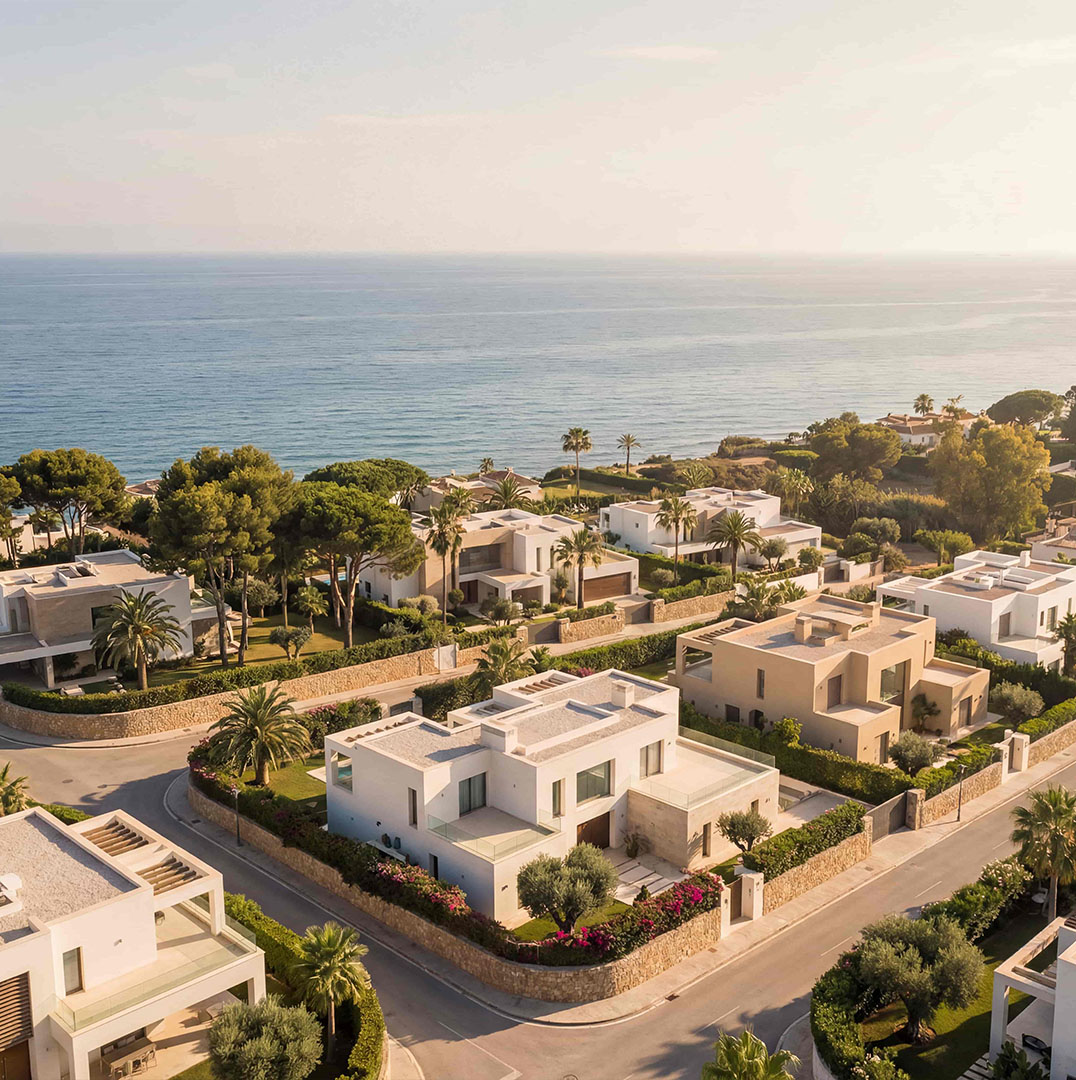
Well-considered architecture plays a central role in perceived value. Properties with clear proportions, thoughtful layouts, and consistent material choices tend to feel more balanced and coherent. Rather than relying on decorative elements or short-term trends, these homes offer a sense of clarity that remains relevant even as design preferences evolve.
Location as a Multiplier
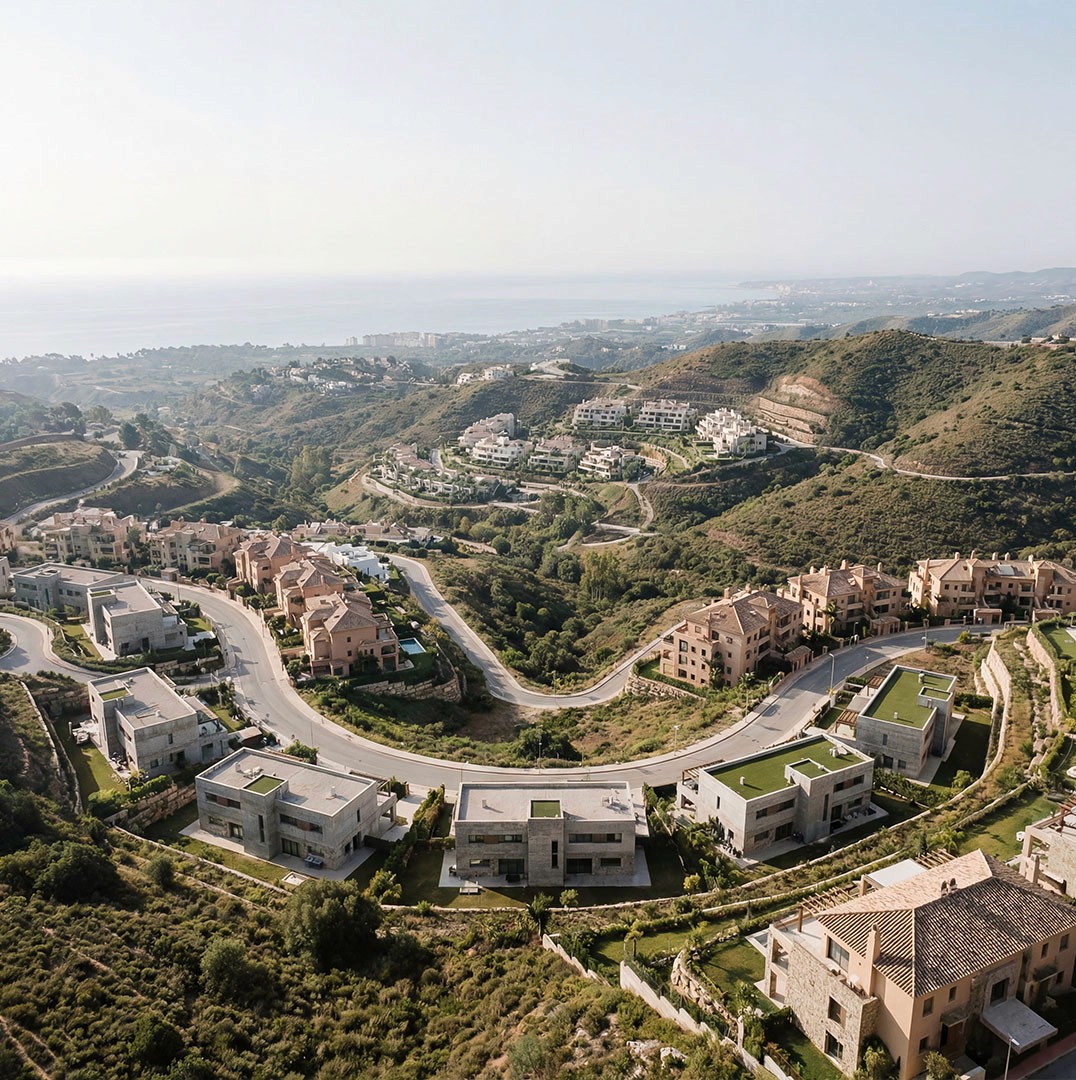
Location not only stands on its own as a key factor, but also amplifies every other aspect of a property. A well-designed home in a strong location benefits from both qualities, while even exceptional architecture can lose impact if the surrounding environment does not support it. This relationship between property and context is essential when evaluating overall value.
A Long-Term Perspective
In premium segments of the market, value is closely tied to long-term relevance rather than immediate appeal. Properties that combine strong location, architectural consistency, and a well-balanced setting are more likely to retain their desirability. Taking this broader perspective allows buyers to move beyond surface-level comparisons and focus on what truly endures.